
DeFi Post-Crash: A Reality Check (- Shocking Reactions!)
Crypto in Late 2025: A Reality Check
Okay, let's see what the end of 2025 is showing us in crypto. The headlines are directionally bullish, sure, but I always want to know how bullish and, more importantly, why. It's too easy to get swept up in the hype, and my readers know I'm not about that.
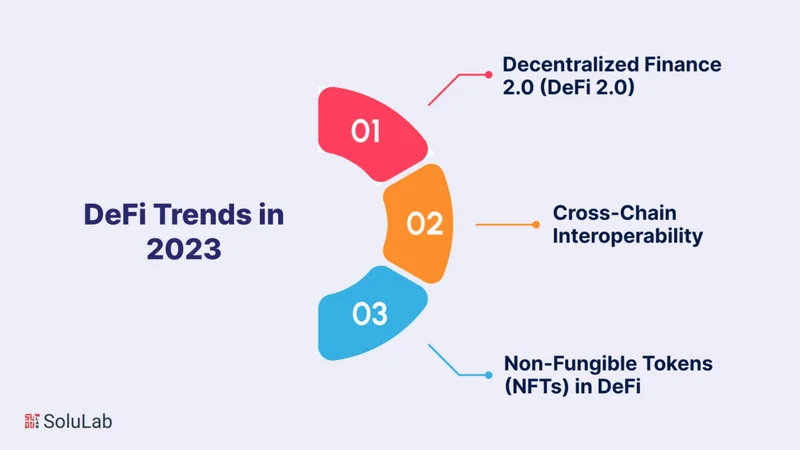
DeFi's Downturn: Examining the Weaknesses
The FalconX report paints a less rosy picture than those broad 2025 forecasts. DeFi, specifically, is looking soft post-October crash. Only 2 out of 23 leading DeFi tokens are positive year-to-date. That's a pretty grim statistic. (Consider this your first dose of reality). The group is down 37% on average quarter-to-date. Not exactly the rocket-ship returns the crypto bros are always screaming about.
What’s interesting, though, is the reasoning behind the slight outperformance of some tokens. Investors are supposedly flocking to "safer names with buybacks or allocating to tokens with fundamental catalysts." HYPE and CAKE are cited as examples on the buyback side. MORPHO and SYRUP are mentioned for idiosyncratic catalysts. Okay, but let’s unpack this a bit. "Safer" is a relative term in crypto, isn't it? Buybacks can temporarily prop up a price, but they don't fundamentally fix a broken business model. And "idiosyncratic catalysts" sounds suspiciously like "we don't really know why these are doing better."
It's like saying a particular brand of deckchair on the Titanic was doing well because it was closer to the lifeboats. It might be relatively better, but the overall situation is still… sinking. The report notes that lending and yield names have broadly steepened on a multiples basis, as price has declined considerably less than fees. KMNO's market cap fell 13%, while fees declined 34%. That's not a good look. The explanation? Investors are crowding into lending names because they perceive lending and yield as "stickier" than trading activity in a downturn. Maybe. Or maybe they're just chasing yield in a desperate attempt to recoup losses. For a deeper dive into these trends, see this DeFi Token Performance & Investor Trends Post-October Crash.
Solana's Strength: Utility vs. Market Influence
Now, let's pivot to Solana. The Solana Price Prediction: Is Solana a Good Investment? article offers a much more grounded perspective. It highlights Solana's consistent throughput (1,000+ TPS) and low transaction costs. That's a concrete advantage. The article stresses that SOL functions primarily as a utility token, not just a speculative asset. This is key. Utility is what separates the wheat from the chaff in the long run.
The data on Solana's network fundamentals is compelling. Active validators: 1,295. Average TPS: 1,100. Uptime: ~99.9%. Nakamoto Coefficient: 20. These numbers tell a story of a network that's actually working. It's not just vaporware or hype; people are actually using Solana to do things. The article also points out that Solana's combination of Proof of History (PoH) and Proof of Stake (PoS) is central to its high-speed transaction capabilities. PoH functions as a cryptographic timestamping system, allowing validators to process transactions more efficiently. It’s all about speed and efficiency.
However, the Solana piece also acknowledges the external factors at play. SOL's price remains influenced by Bitcoin and Ethereum trends, macroeconomic conditions, and regulatory developments. This is crypto, after all. No asset exists in a vacuum. The correlation with BTC is 0.72, and with ETH, it's 0.68. Volatility is around 65% annualized. So, while Solana might have solid fundamentals, it's still going to get dragged around by the broader market.
The forecasted price ranges for Solana in the coming years are interesting, but they're just that – forecasts. The "base" scenario for 2025 is $135–$160. The "stress" scenario is $110–$135. I'll take those with a grain of salt. What I find more valuable is the rationale behind those forecasts. The article states that SOL price is likely to respond to ecosystem health, adoption trends, and protocol performance rather than speculation alone. That's the key takeaway.
Key Takeaways: Distinguishing Signal from Noise
So, what's the takeaway here? The crypto market at the end of 2025 is a mixed bag. DeFi is struggling, facing headwinds from the October crash and a general lack of investor confidence. Solana, on the other hand, appears to be on relatively solid footing, thanks to its strong network fundamentals and real-world utility. However, even Solana is not immune to the broader market forces and regulatory uncertainties that plague the entire crypto space.
The question isn't whether crypto will "go up" in 2025. The question is which projects have the underlying strength to weather the storms and deliver long-term value. And based on the data, Solana looks like a relatively safer bet than many of the hyped-up DeFi tokens out there.
Final Verdict: Prioritizing Data Over Hype
That's my read on the situation. Solana, despite its inherent volatility, is demonstrating the kind of utility that might actually justify a long-term position. The rest? Still mostly hopeium.